
When it comes to selling a business, confidentiality isn’t just important—it’s critical. Whether you’re a restaurant owner, med spa operator, or franchisee looking to exit, maintaining confidentiality throughout the sale process can protect your company’s value, employees, client relationships, and future prospects.
In this post, we’ll break down why confidentiality matters during a business sale and how a qualified business broker plays a key role in safeguarding it.
Why Confidentiality Is Crucial in a Business Sale
Most business owners don’t want the public—or even their own staff—to know their business is for sale. Here’s why:
1. Employee Stability
If employees find out the business is being sold, they may worry about job security and start looking elsewhere. Losing key staff during a sale can impact operations and scare off potential buyers.
2. Customer Confidence
Customers may hesitate to do business with a company they believe is in transition or uncertain ownership. This can hurt revenues just when you’re trying to maximize value.
3. Vendor & Lender Relationships
Suppliers and lenders may reconsider terms or delay commitments if they sense instability, which can weaken your negotiation position or delay the deal.
4. Competitor Advantage
If your competitors learn you’re selling, they might try to poach clients, employees, or even use it as leverage in the marketplace.
5. Valuation Impact
All of the above can lead to a drop in perceived business value—simply because news of the sale leaked prematurely.
How Business Brokers Help Protect Confidentiality
Working with a professional business broker is one of the most effective ways to maintain confidentiality during a sale. Here’s how they do it:
1. Discreet Marketing
Business brokers know how to market your business without revealing its identity. They use blind listings—ads that describe the nature and value of the business without sharing the business name, address, or other identifiers.
2. Screening and Qualifying Buyers
Brokers don’t just hand out your business information to anyone. They carefully screen buyers for financial capability and serious intent before sharing any sensitive details.
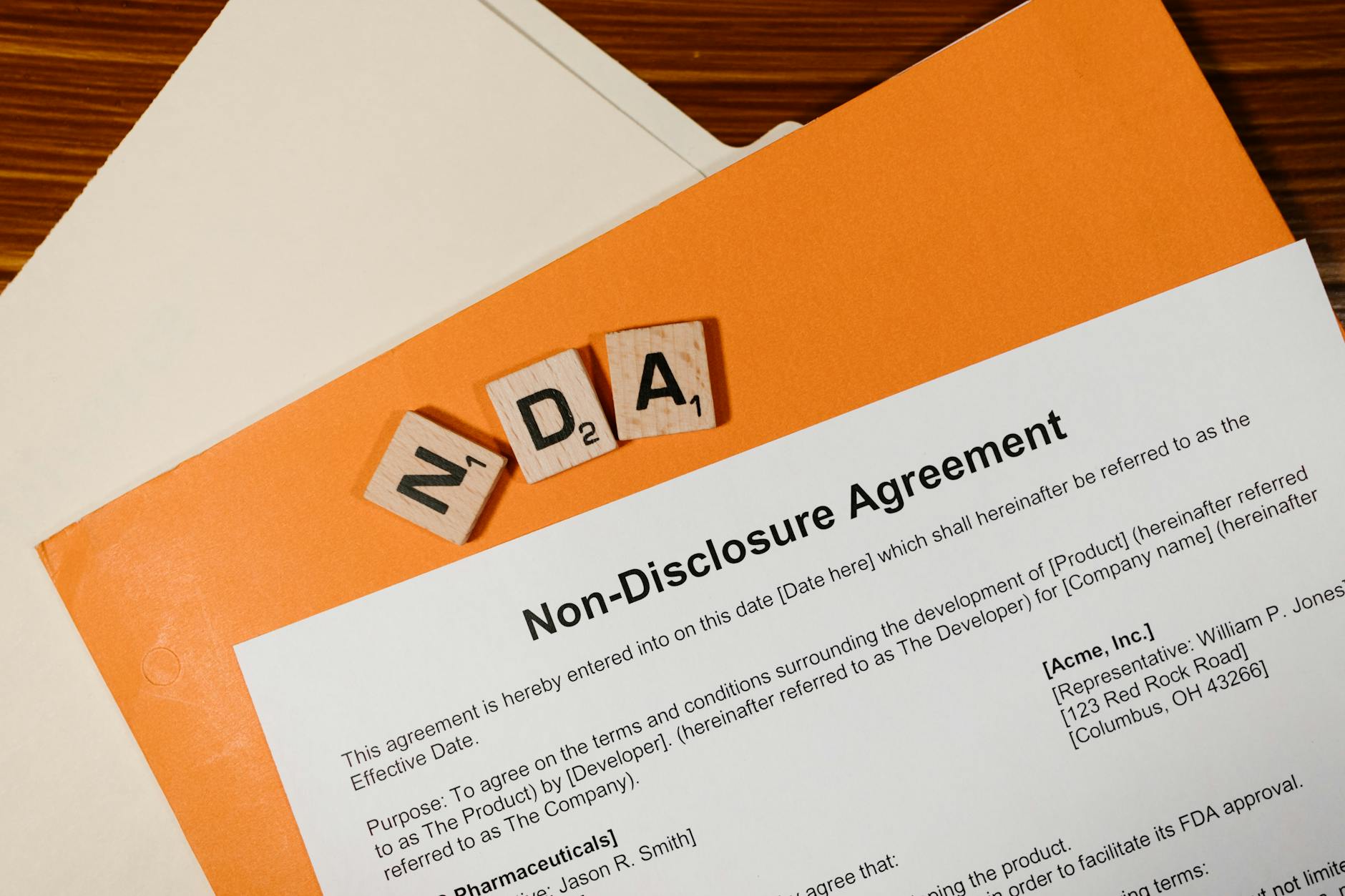
3. Non-Disclosure Agreements (NDAs)
Before releasing any confidential information, brokers require prospective buyers to sign a legally binding NDA. This agreement prevents them from sharing or misusing your business information.
4. Controlled Information Release
Brokers release details in stages—starting with general information, then gradually sharing more once the buyer is qualified. Sensitive documents like financials or customer lists are only shared when appropriate and always under confidentiality.
5. Guided Communication
The broker acts as a buffer between you and the buyer, controlling the flow of communication and ensuring nothing gets leaked accidentally. They know how to answer buyer questions without disclosing too much too soon.
What Sellers Should Know
Even with a broker, business owners play a role in protecting confidentiality:
- Don’t tell employees, customers, or vendors about the sale unless absolutely necessary—and only at the right time.
- Avoid posting anything on public platforms or social media.
- Be cautious even when speaking with friends or acquaintances about your plans to sell.
A professional broker will help guide you through what to say, when to say it, and who needs to know.
Final Thoughts
Confidentiality is one of the most delicate and essential parts of the business sale process. Mishandling it can lead to lost value, operational disruption, or even a failed deal.
That’s why working with a trusted business broker is so important. They bring not only experience in marketing and negotiations but also proven systems to protect your business throughout the transition.
Thinking of selling your business but not sure how to keep things quiet? Let’s talk. I can help you explore your options confidentially—and position your business for the best possible exit.