Introduction:
Social media platforms offer unique opportunities to connect with potential customers. Understanding how to effectively advertise on these platforms can give your business a significant boost.
Main Content:
- Benefits of advertising on social media platforms
- How to set up an effective social media ad campaign
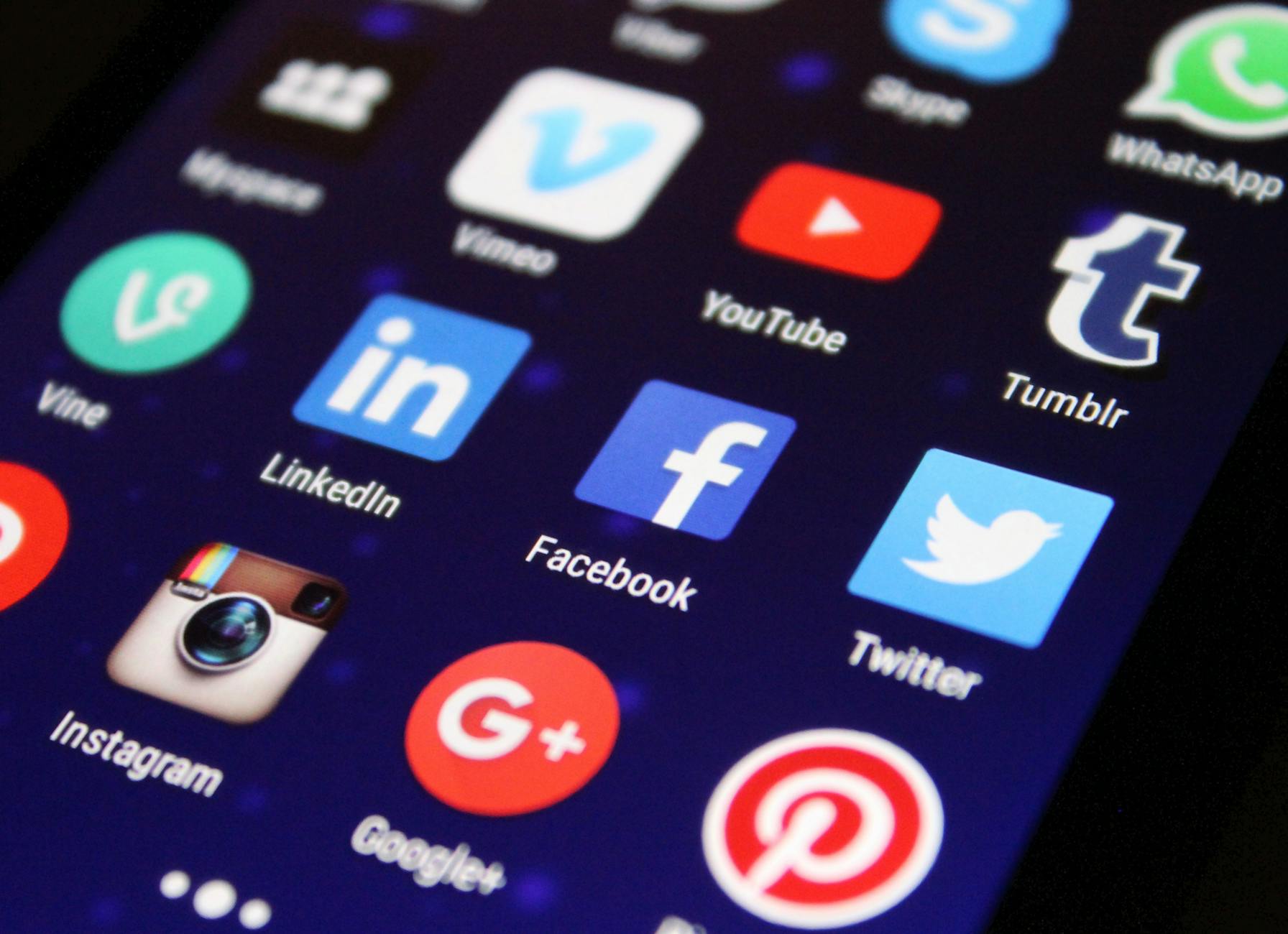
- Platforms to consider: Facebook, Instagram, LinkedIn, Twitter
- Analyzing campaign performance and making adjustments
Social media isn’t just for scrolling anymore—it’s one of the most powerful tools for advertising your business. Whether you’re selling life insurance, recruiting referral agents, or promoting a med spa or business listing, social media ads help you reach highly targeted audiences quickly and cost-effectively.
In this post, we’ll explore the benefits of advertising on social platforms, walk through how to set up a strong campaign, and show you how to track and tweak your performance for better ROI.
Why Advertise on Social Media?
Here are some key reasons social media advertising is a smart investment:
- Targeted Reach: You can choose exactly who sees your ads based on age, location, job title, interests, income level, and more.
- Cost Control: You set the budget—whether it’s $5 a day or $500 a day—and adjust it anytime.
- Speed: You can launch an ad and start generating traffic or leads within hours.
- Brand Awareness: Even if someone doesn’t click immediately, your name, face, or offer becomes familiar over time.
- Data-Driven: Every click, view, and conversion is trackable, which means you can refine and improve performance over time.
How to Set Up an Effective Social Media Ad Campaign
Here’s a simple 5-step framework to launch ads that convert:
1. Define Your Objective
Start by choosing a goal:
- Website traffic
- Lead generation
- Appointment bookings
- Product purchases
- Page likes or video views
Each platform offers different campaign types based on your objective.
2. Know Your Audience
Clearly define who you’re targeting. Consider:
- Age, gender, income, job title
- Location (local or national?)
- Interests (e.g., entrepreneurship, skincare, investing)
- Behaviors (e.g., business owners, frequent travelers)
Custom and lookalike audiences (e.g., based on past leads or website visitors) can help you find similar people who are more likely to convert.
3. Create Compelling Ad Creatives
Your image or video should stop the scroll and speak directly to your audience’s goals or pain points. Your copy should be:
- Clear and benefit-driven
- Short and easy to read
- Including a strong call to action (e.g., “Book a Free Call,” “Get Your Free Guide”)
Test different headlines, creatives, and offers to see what works best.
4. Choose the Right Placement
You can place your ads in feeds, stories, reels, sidebars, or message inboxes. Start with auto-placement, then refine later based on performance.
5. Set Budget and Schedule
Start with a modest daily budget (e.g., $10–$20/day) and run your campaign for at least 3–5 days to gather enough data before making changes.
Best Platforms to Consider
Each platform serves a different purpose and audience. Here’s how to choose:
- Great for local service businesses, event promotions, and lead generation
- Wide reach and advanced targeting options
- Best for B2C and general audiences
- Visual-first platform ideal for branding, product highlights, testimonials, and video content
- Popular with younger, lifestyle-driven audiences
- Excellent for med spas, aesthetics, and personal brands
- Best for B2B services, professional services, and recruiting
- Target by industry, job title, seniority, company size
- More expensive per click, but often higher quality leads for business-related offers
Twitter (now X)
- Fast-paced and real-time engagement
- Great for trends, quick updates, or targeting niche communities
- Not ideal for all business types, but can work for brand building or public conversation
Analyzing Performance and Making Adjustments
Once your ad is live, don’t just “set it and forget it.” Monitor your campaign regularly to improve results.
Key metrics to watch:
- CTR (Click-Through Rate): Are people engaging with your ad?
- CPC (Cost Per Click): Are you paying too much to get someone to visit your site?
- Conversion Rate: Are those clicks turning into leads or sales?
- Cost Per Lead or Purchase: How much are you paying for each result?
What to adjust:
- Ad creative – If CTR is low, your image or message may need improvement.
- Audience targeting – If conversions are low, your offer might not be relevant to the audience.
- Budget allocation – Put more money behind winning ads and pause underperforming ones.
- Landing page – Make sure your website or funnel is easy to navigate and matches the message in your ad.
Final Thoughts
Social media advertising offers incredible potential—but the real magic comes from testing, tracking, and tweaking over time.
Conclusion:
Social media advertising is a cost-effective way to increase brand awareness and drive targeted traffic to your business.